Ask me about being an airline pilot or flying in general

I wasn't even aware of OOT until someone recently suggested I start this thread here. (I had posted a question about Ve

Me too, thank you for your thread.
Not sure if you're interested, but the current Smithsonian magazine has an article on
, who was a pioneering aviator for both black people and women.
/https%3A%2F%2Ftf-cmsv2-smithsonianmag-media.s3.amazonaws.com%2Ffiler_public%2Fc4%2F7c%2Fc47c2b76-5e94-404f-9247-e48fe3e5387a%2Fjun2025_h17_prologue.jpg)
Today, I saw a plane taking off go through a low cloud, then come out the other side. That combined with reading about the early days, got me to thinking: before radar, was flying restricted to clear days? I could see a plane coming out of a cloud being an unwelcome surprise before automated tracking systems.
If it wasn't restricted, any idea how they kept planes straight in bad weather?

It was problem. Lots of documented cases of folks going off course in clouds, coming out of the clouds inverted and never having noticed, etc. Between the world wars, they invented enough flight instruments to "fly blind" via what is now known as "instrument flight rules" (or IFR), but even so it remains dangerous.
Me too, thank you for your thread.
Not sure if you're interested, but the current Smithsonian magazine has an article on
, who was a pioneering aviator for both black people and women.Definitely interested.
Today, I saw a plane taking off go through a low cloud, then come out the other side. That combined with reading about the early days, got me to thinking: before radar, was flying restricted to clear days? I could see a plane coming out of a cloud being an unwelcome surprise before automated tracking systems.
If it wasn't restricted, any idea how they kept planes straight in bad weather?
When the concept of air traffic control began (pre-radar), controllers didn't even have radio contact with pilots. Information about flights was relayed to ATC from control towers and company dispatchers. Controllers issued clearances based on last-known and estimated positions of aircraft. They had large maps with air routes on them and little physical markers that they moved on the map to represent the flights. These markers were called "shrimp boats."
Radar came to civil aviation as a benefit of technology gains during WWII. But radar coverage was scanty for many years post-WWII and the shrimp boats were still in use, with airspace segments protected while an aircraft was on it. Many of the procedures they used can still come into effect during lost-comm procedures.
For example, if I'm flying on an instrument flight plan and I lose my radios while in IMC, the procedure is to fly to the initial approach fix for the destination airport and then hold at that fix until the ETA on my flight plan and commence the approach. ATC is supposed to recognize the lost comms situation (obvious once you stop answering them) and then protect the airspace until the completion of the flight. I have no first-hand, or even second-hand knowledge of this ever occurring.
For some interesting info regarding the history of ATC, Click here.
For example, if I'm flying on an instrument flight plan and I lose my radios while in IMC, the procedure is to fly to the initial approach fix for the destination airport and then hold at that fix until the ETA on my flight plan and commence the approach. ATC is supposed to recognize the lost comms situation (obvious once you stop answering them) and then protect the airspace u
Because, as we know, it's impossible to be off-course when on instruments.
I can't find an image/video, but it seems to me there's "shrimp boats" in the background during some of these scenes as well. That's interesting, I always thought those were just set decoration in the movies/TV.
Thanks again for the detailed response.


Saw this emergency 'foam' landing that happened yesterday in Texas after a plane's landing gear failed. Thought it was pretty cool!

I took a couple of lessons at that airport long long ago. Pretty awesome landing. My grandad had to belly land a B25 bomber with all the bombs still on board in WWII. That had to make the ol' testicles retract, lol.
Definitely nails the landing. Can't imagine it being much fun onboard, thinking you're going to end up running along like the Flintstones at any moment!
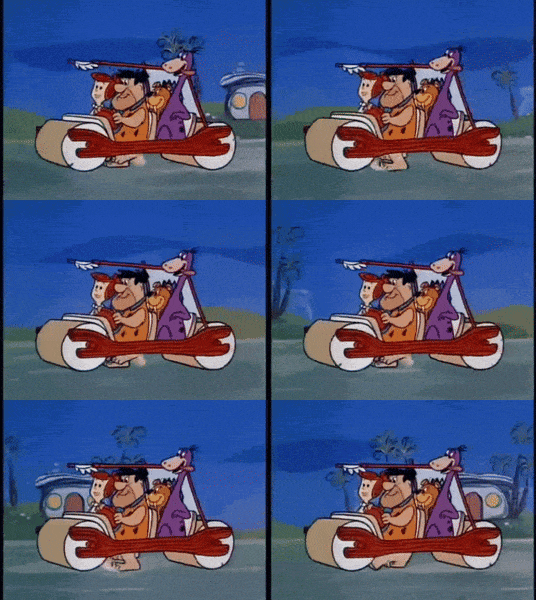
I took a couple of lessons at that airport long long ago. Pretty awesome landing. My grandad had to belly land a B25 bomber with all the bombs still on board in WWII. That had to make the ol' testicles retract, lol.
To add to this story, he had been injured by shrapnel through his foot before it happened, and the bombs were British "stick fused" bombs, which had a reputation for going off easily. He ran away from the potential blast area without a thought for the injury.
Gfotunateenoughtohaveworkedwithmark'sgrandad'spapersG
Thanks Garick! I've been finding so much stuff I wish I would have had when trying to get pics and papers to you.
Welp, even though the article has already been published, I'd still be interested in looking at further materials, if you're willing.
gee, apologies for missing genology discussion about marks badass grandpop
but i sure do want to read more
Garick wrote a badass article based on a diary we found of grandad's when he was in Africa during WWII. It's the Steel Begets Steel article.
Welp, even though the article has already been published, I'd still be interested in looking at further materials, if you're willing.
I'll definitely send some to you. I'm going to wait until I'm finished going through everything. I'm getting close. Right now I have everything split into 8 boxes with different siblings/cousins' names on them and don't want to move backwards with my forward progress already being at a snails pace, lol.
Garick wrote a badass article based on a diary we found of grandad's when he was in Africa during WWII. It's the Steel Begets Steel article.
Awesome!
Props to all involved from granddad to publication!
Appropriate mark's badass grandpa's article brought up on Memorial Day.
Sincere thanks to all veterans.

W0X0F,
any comments on The Rehearsal Season 2? Also, were you ever a judge in a singing contest?
W0X0F,
any comments on The Rehearsal Season 2? Also, were you ever a judge in a singing contest?
No and No.
Haven't seen the Rehearsal. Is it worth watching?
Garick wrote a badass article based on a diary we found of grandad's when he was in Africa during WWII. It's the Steel Begets Steel article.
amazing work by you both
mark, are you digitizing everything?
Thanks for the kind words. Mark sent me everything digitized. I still have copies, and I'm working (with the family's permission) on getting the collection added to the Air Force Historical Research Agency's digital collection.
fingers crossed it is allowed to keep existing after the exhausting amount of executioning seemingly required for executive orders
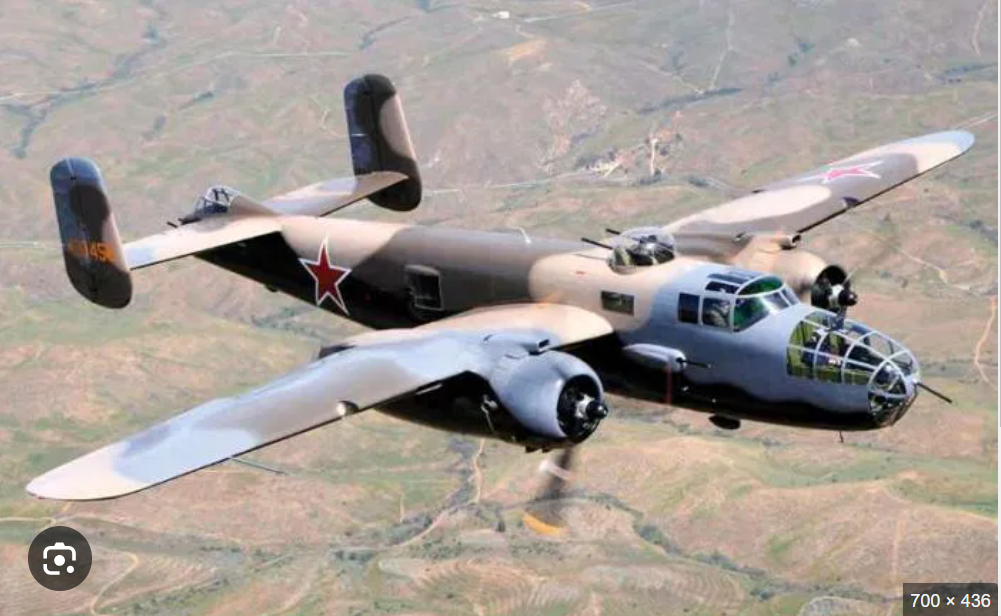
Well, that's desert camo, but I wouldn't call it desert pink. It's hard to tell what that looked like, because most of the images that come up when you google it are actually desert sand, which the Allies switched to later. From what I've heard, desert pink, was a uniform pinkish tan, but I can't find any good color pictures of an original.
Here's a black and white one from Mark's grandpa's scrap book:
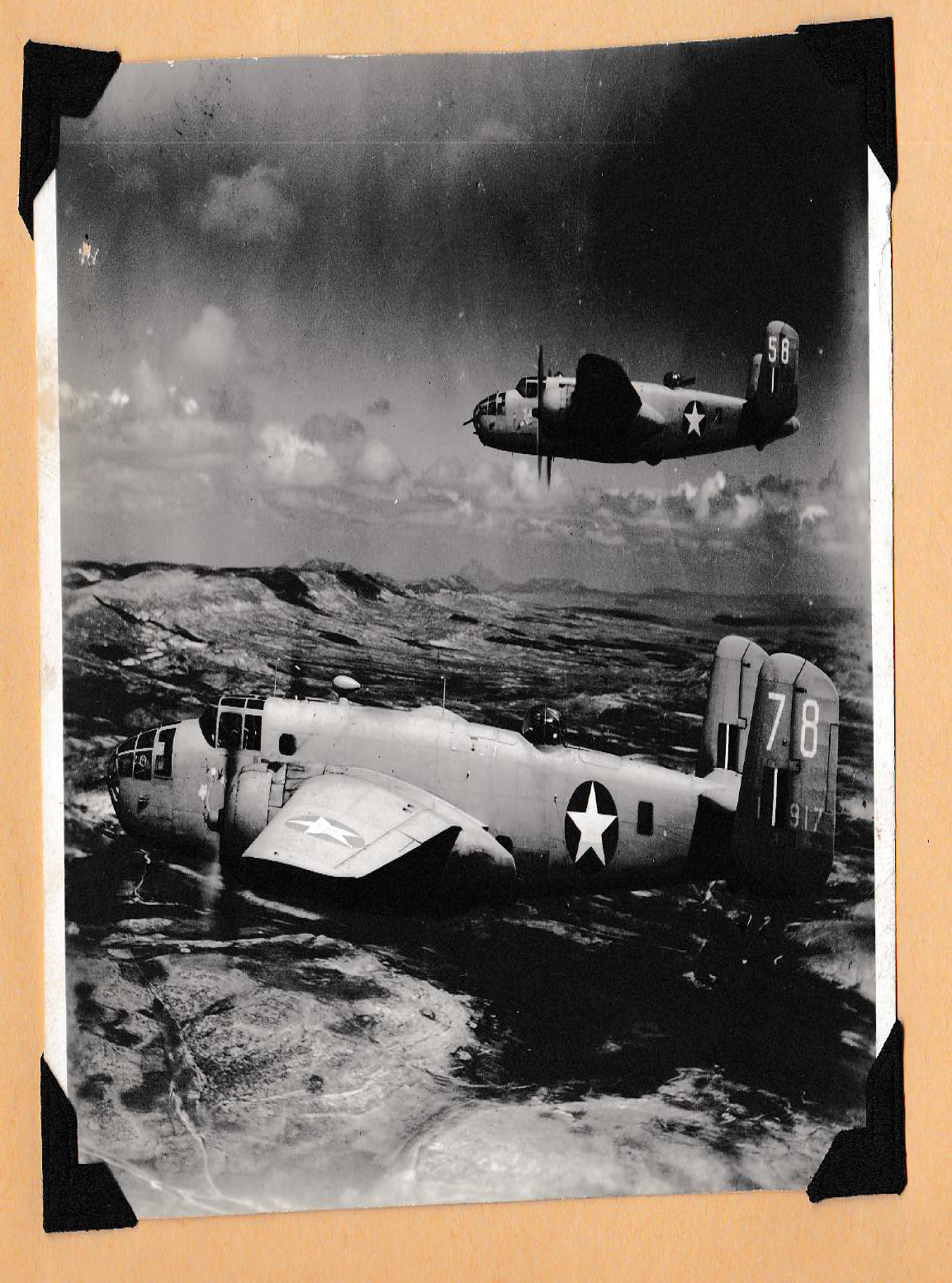
Edit. No idea what happened to the aspect ration there. Weird.
Today's Science Friday podcast is titled
Have not listened yet, but thought it might be interesting to people in this thread.